Loading Shopping Cart Items...
Catalog
Online
Added:07/03/2024 11:44
All prices are in USD
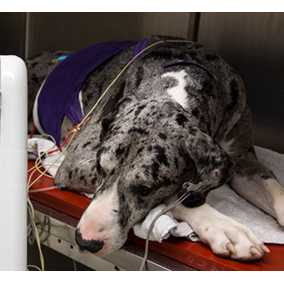
Once CPR is successful and you’ve achieved return of spontaneous circulation, what comes next?
Studies have shown that up to 80% of dogs and cats that achieve return of spontaneous circulation die or are euthanized in the post-cardiac arrest period.
The RECOVER CPR algorithm has revolutionized our approach to CPR in dogs and cats. This course will guide you through the RECOVER post-cardiac arrest (PCA) algorithm to help you understand how to improve monitoring and treatment of these dynamic patients. We’ll step you through the 3 parts of the PCA algorithm, starting with respiratory optimization, then moving to hemodynamic optimization, and finally neuroprotection. We can do better than 20% survival rates. This course will give you the tools you need.
Duration: 1.5 hours
Total Modules: 1
RACE C.E. Credits: 1.5
NY Credits: 1.5
Your course access will expire 2 years from the date of enrollment. Once your access expires, you will no longer be able to view or engage with the course content. Should you wish to regain access or retake the course after this time, you will need to re-purchase and re-enroll in the course.
Once CPR is successful and you’ve achieved return of spontaneous circulation, what comes next?
Studies have shown that up to 80% of dogs and cats that achieve return of spontaneous circulation die or are euthanized in the post-cardiac arrest period.
The RECOVER CPR algorithm has revolutionized our approach to CPR in dogs and cats. This course will guide you through the RECOVER post-cardiac arrest (PCA) algorithm to help you understand how to improve monitoring and treatment of these dynamic patients. We’ll step you through the 3 parts of the PCA algorithm, starting with respiratory optimization, then moving to hemodynamic optimization, and finally neuroprotection. We can do better than 20% survival rates. This course will give you the tools you need.
Duration: 1.5 hours
Total Modules: 1
RACE C.E. Credits: 1.5
NY Credits: 1.5
Your course access will expire 2 years from the date of enrollment. Once your access expires, you will no longer be able to view or engage with the course content. Should you wish to regain access or retake the course after this time, you will need to re-purchase and re-enroll in the course.
Credits awarded per Session. See individual Sessions for further details.
Credits awarded
Type
Name
Sub type
Value
Certificate awarded
$45.00
Already successfully completed: This item allows re-enrollment
Secure Transaction
About this item
All prices are in USD
Once CPR is successful and you’ve achieved return of spontaneous circulation, what comes next?
Studies have shown that up to 80% of dogs and cats that achieve return of spontaneous circulation die or are euthanized in the post-cardiac arrest period.
The RECOVER CPR algorithm has revolutionized our approach to CPR in dogs and cats. This course will guide you through the RECOVER post-cardiac arrest (PCA) algorithm to help you understand how to improve monitoring and treatment of these dynamic patients. We’ll step you through the 3 parts of the PCA algorithm, starting with respiratory optimization, then moving to hemodynamic optimization, and finally neuroprotection. We can do better than 20% survival rates. This course will give you the tools you need.
Duration: 1.5 hours
Total Modules: 1
RACE C.E. Credits: 1.5
NY Credits: 1.5
Your course access will expire 2 years from the date of enrollment. Once your access expires, you will no longer be able to view or engage with the course content. Should you wish to regain access or retake the course after this time, you will need to re-purchase and re-enroll in the course.
Course/Activity Information
After completing this course, you will be able to:
- Implement management strategies to support a patient in the immediate post-cardiac arrest period.
- Devise a therapeutic and monitoring plan to meet ventilation and oxygenation goals in a patient in the post-cardiac arrest period.
- Use global hemodynamic targets to develop a plan to optimize perfusion to tissues in a patient in the post-cardiac arrest period.
- Implement neuroprotective measures to improve neurologic function and outcome in the post-cardiac arrest period.
Ratings and reviews
Type:
Name:
Sub type:
Value: